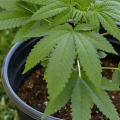
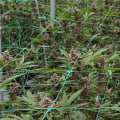
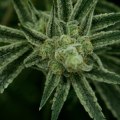
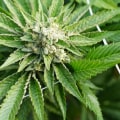
Tetrahydrocannabinolic acid, better known as THCA, is one of the most important natural compounds found in cannabis plants, and understanding it helps explain why different strains vary so widely in quality, effects, and chemical structure. Even though discussions of cannabis chemistry often focus on THC, the compound most people recognize, THCA is actually the natural precursor from which THC forms. In its raw state, cannabis primarily contains THCA rather than THC, because THCA develops inside the plant’s resin glands—called trichomes—long before any heat or processing occurs. What makes THCA especially interesting is that it does not cause intoxicating effects on its own. Instead, THCA represents a natural phase in the plant’s chemical life cycle, converting into THC only after exposure to high temperatures. In scientific and agricultural circles, researchers look at THCA levels as a way to model plant genetics, evaluate chemical pathways, and study how environmental factors influence the plant’s cannabinoid profile. Businesses and educational organizations such as The Highest Farmacy often highlight THCA when discussing how plant biology shapes the overall chemical richness and quality of a cannabis specimen. This focus has increased as more consumers, researchers, and policymakers become interested in the plant’s molecular diversity rather than just its end-product effects.
Why THCA Matters in Plant Genetics and Quality Research
From a scientific standpoint, THCA is valuable because it provides insight into a plant’s genetic potential. Different strains naturally produce different amounts of THCA, and researchers analyze these variations to understand how traits are passed down through breeding programs. This doesn’t mean teaching or encouraging people to grow cannabis; instead, scientists study THCA the same way botanists study natural compounds in any other plant—by observing, measuring, and comparing how certain conditions influence growth patterns and biochemical structures. THCA also helps illustrate the complexity of plant metabolism. Environmental factors such as light exposure, nutrient balance, and overall plant health can influence how much THCA the plant develops, demonstrating how sensitive plant chemistry is to its surroundings. For people interested in plant science, THCA serves as a strong example of how biological systems adapt and respond to environmental conditions over time.
THCA in Research, Legal Discussions, and Consumer Awareness
Another important aspect of THCA is how it fits into broader conversations beyond plant biology. In places where cannabis laws differ, THCA sometimes occupies a gray area because it is non-intoxicating until altered by heat. This makes THCA relevant in legal discussions about classification, product labeling, and testing requirements. Laboratories often analyze THCA levels to calculate a plant’s “potential THC,” which helps officials determine compliance with local regulations. From a consumer awareness standpoint, people who study cannabis trends—similar to how one might study caffeine in coffee or antioxidants in berries—look at THCA to better understand product consistency and quality. This growing interest reflects a shift toward transparency, safety, and scientific literacy in conversations about cannabis. Even for those who have no intention of using cannabis, THCA provides a useful case study in how natural compounds evolve within a plant and how scientific research can shape public understanding.